If AI Speeds Up Research, What Exactly Is Getting Faster?
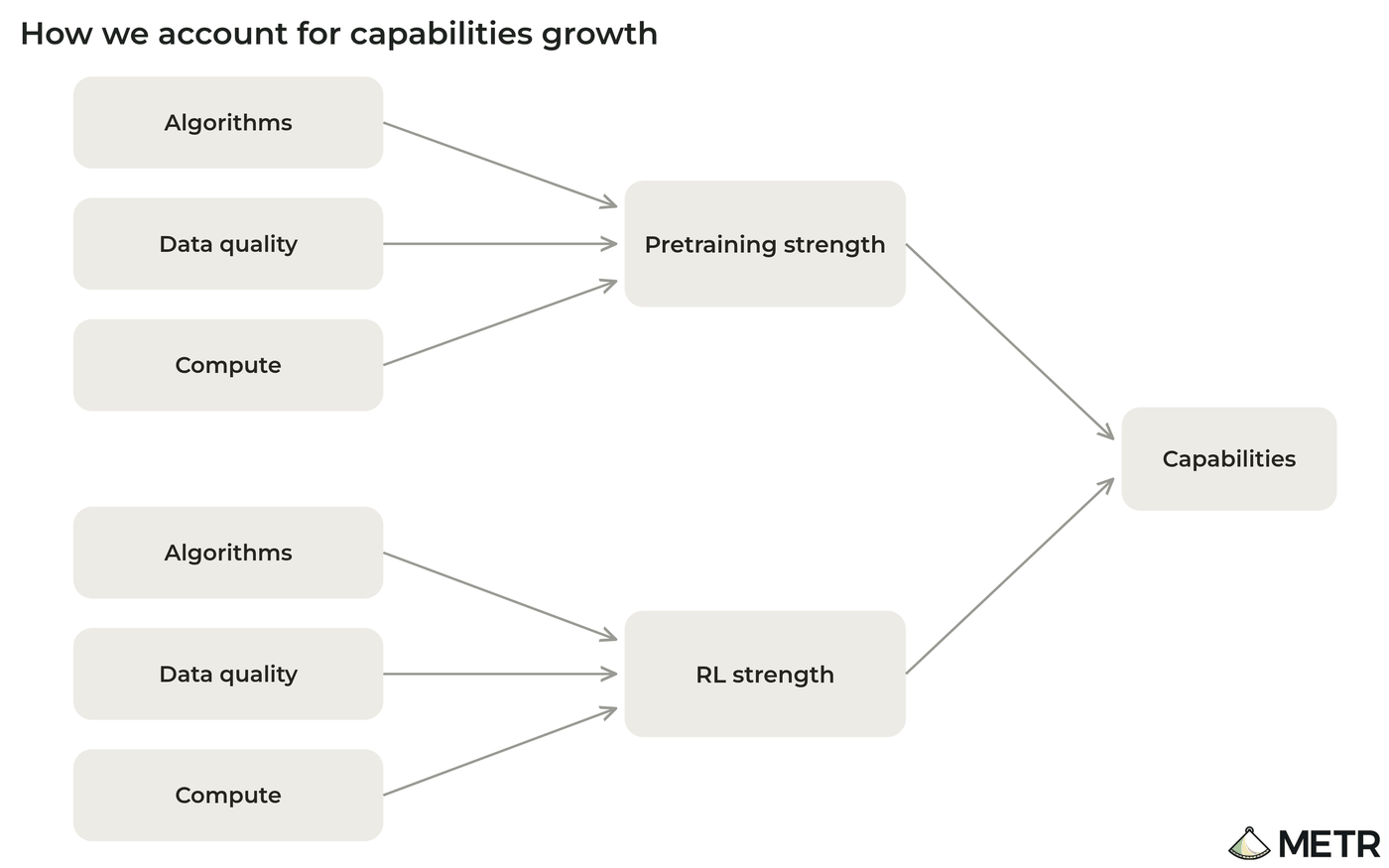
METR's new Anthropic assessment raises a practical question: how do local productivity gains become measurable research progress?
METR's new Anthropic assessment raises a practical question: how do local productivity gains become measurable research progress?
Sarvam Prism returns decisions without generating text. Its B200 latency, probability fields and calibration tests reveal what engineers need to check before automating a workflow.
FlashProve raises a practical question for hosted AI: can you verify which computation produced an output? A look at commitments, reported proving costs, integer-model limits and the gap between a protocol theorem and deployed software.
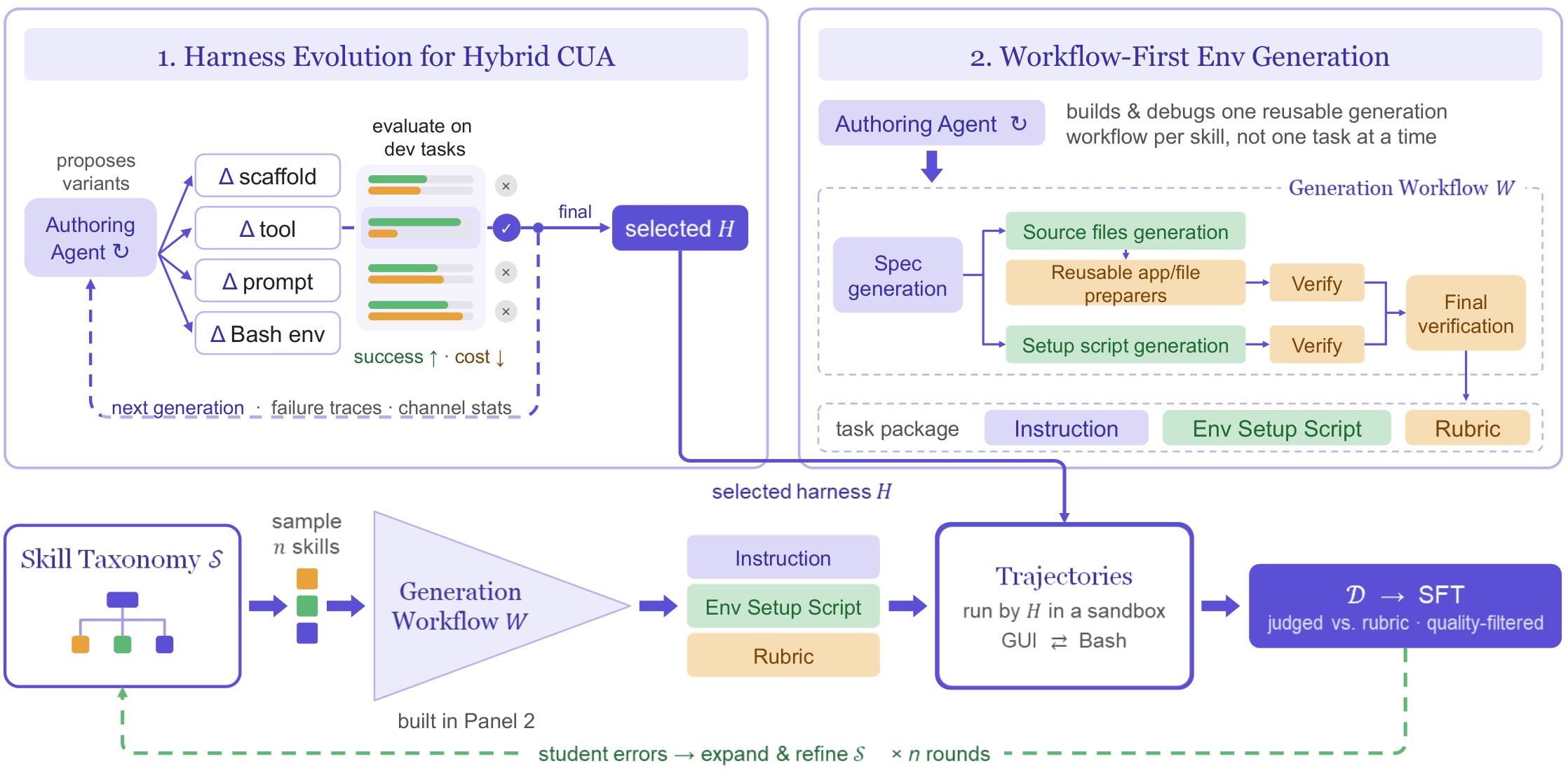
Mage-VL-Cowork combines screenshots and terminal execution in one small model. A practical look at its training recipe, official demo, reported OSWorld results and the state-management problem behind hybrid desktop agents.
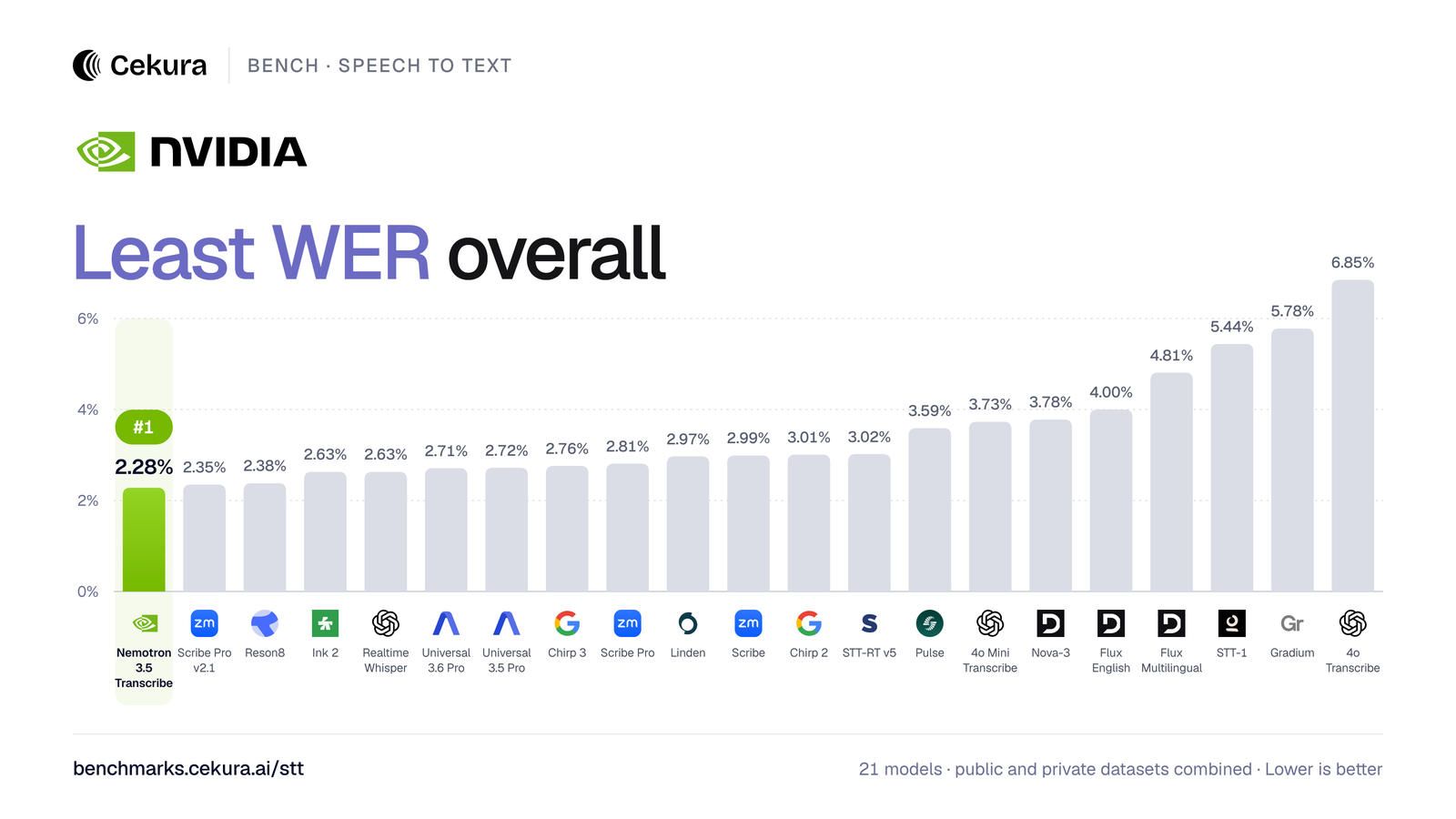
NVIDIA's new transcription model can follow requests about wording, formatting and speaker labels. What do its results—and two outside evaluations—tell us about accuracy, faithful cleanup and the limits of word error rate?
A practical look at Genie 4's interactive worlds, original comparison recordings, current limits and the tests needed before trusting a generated simulation.
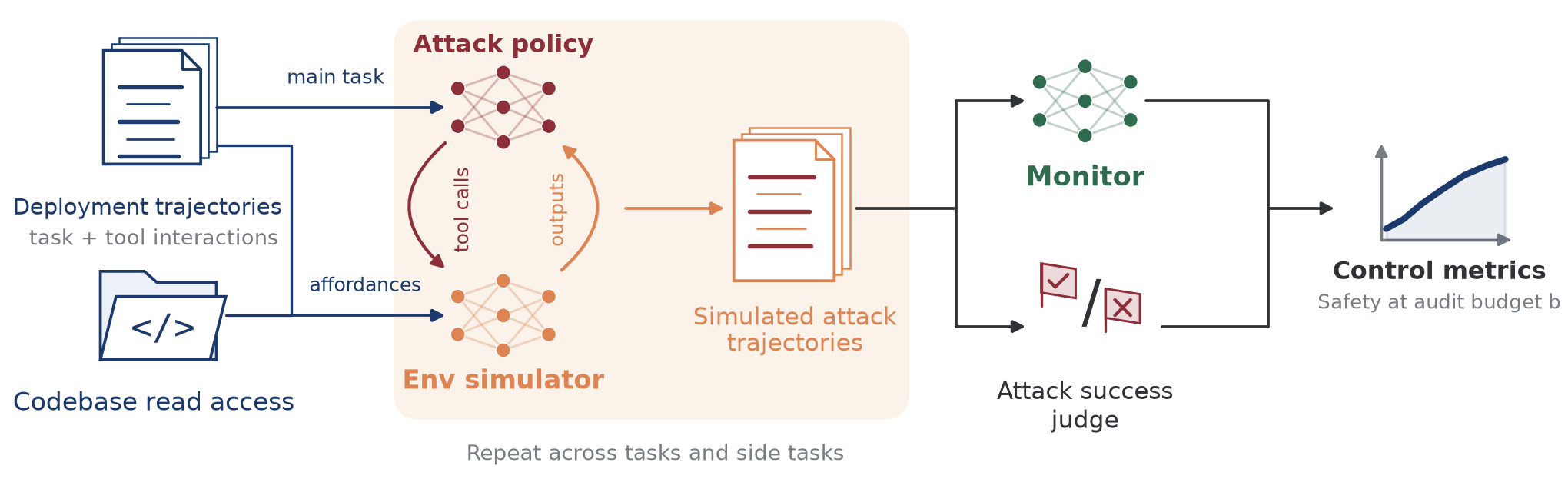
A practical look at Redwood's simulated control evaluations: how they test AI-agent safeguards, what the LinuxArena comparison shows, and why simulation still needs validation.
Kimi K3.1 Pro builds on K3 through further training. A practical look at independent agent tests, reasoning effort, cost, latency and reliability.
PHP2Shell exposes a security boundary below application code. An engineer's look at the two PHP flaws, AI's role, affected systems and the limits of guardrails.
CERN and Mistral plan to train a Large Physics Model on simulated collisions. Earlier experiments help explain the promise of transferable scientific models and the tests this new programme still needs to pass.
Liquid AI's LFM2.5-24B-A2B raises a practical question: can a local model handle an agent's full working loop? A look at tool use, reasoning, published benchmarks, memory, and the surrounding application.
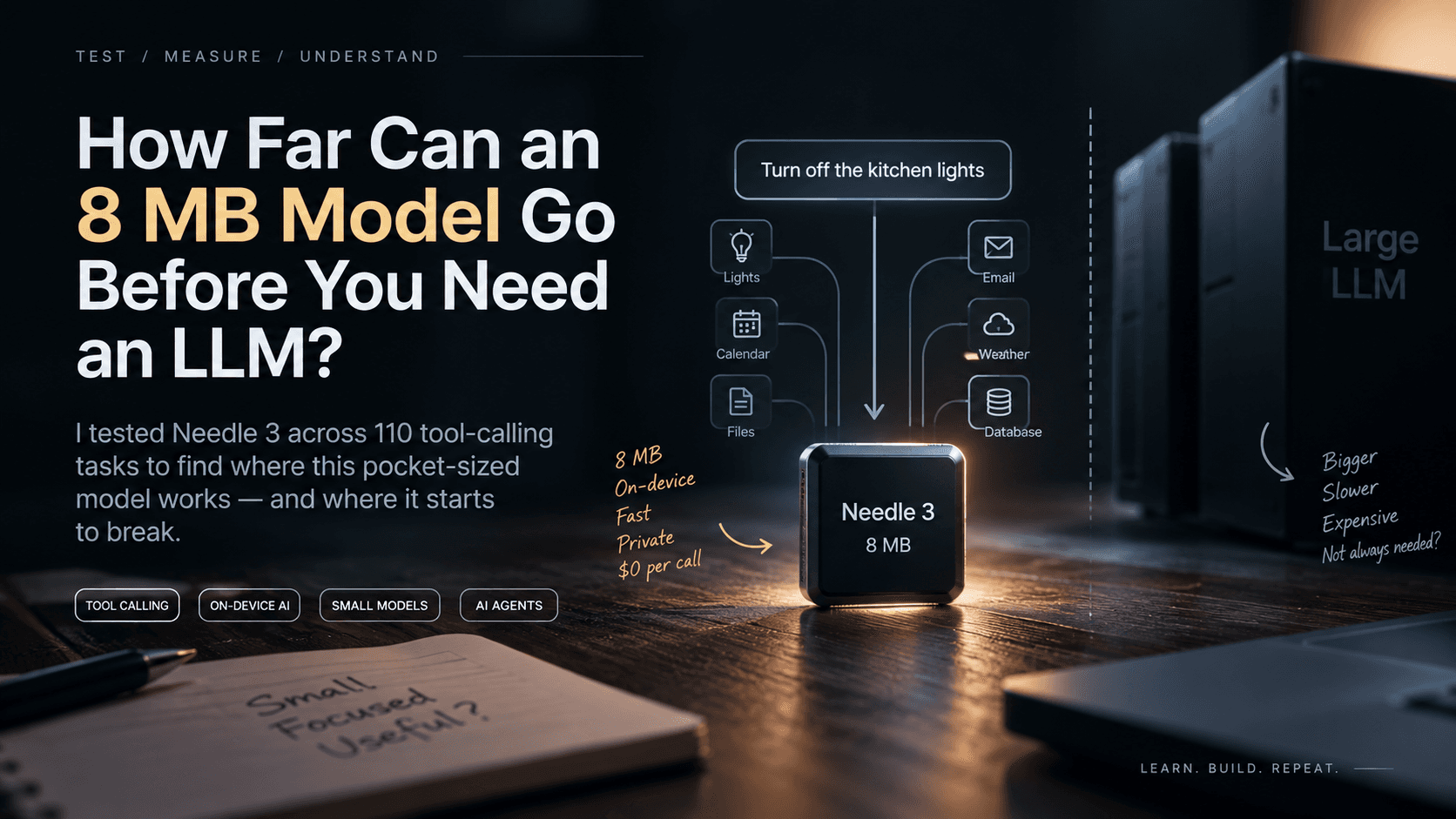
Most AI applications today follow a pretty simple pattern: user says something → LLM understands it → LLM decides which tool to call. But do we really need a large language model for that entire…