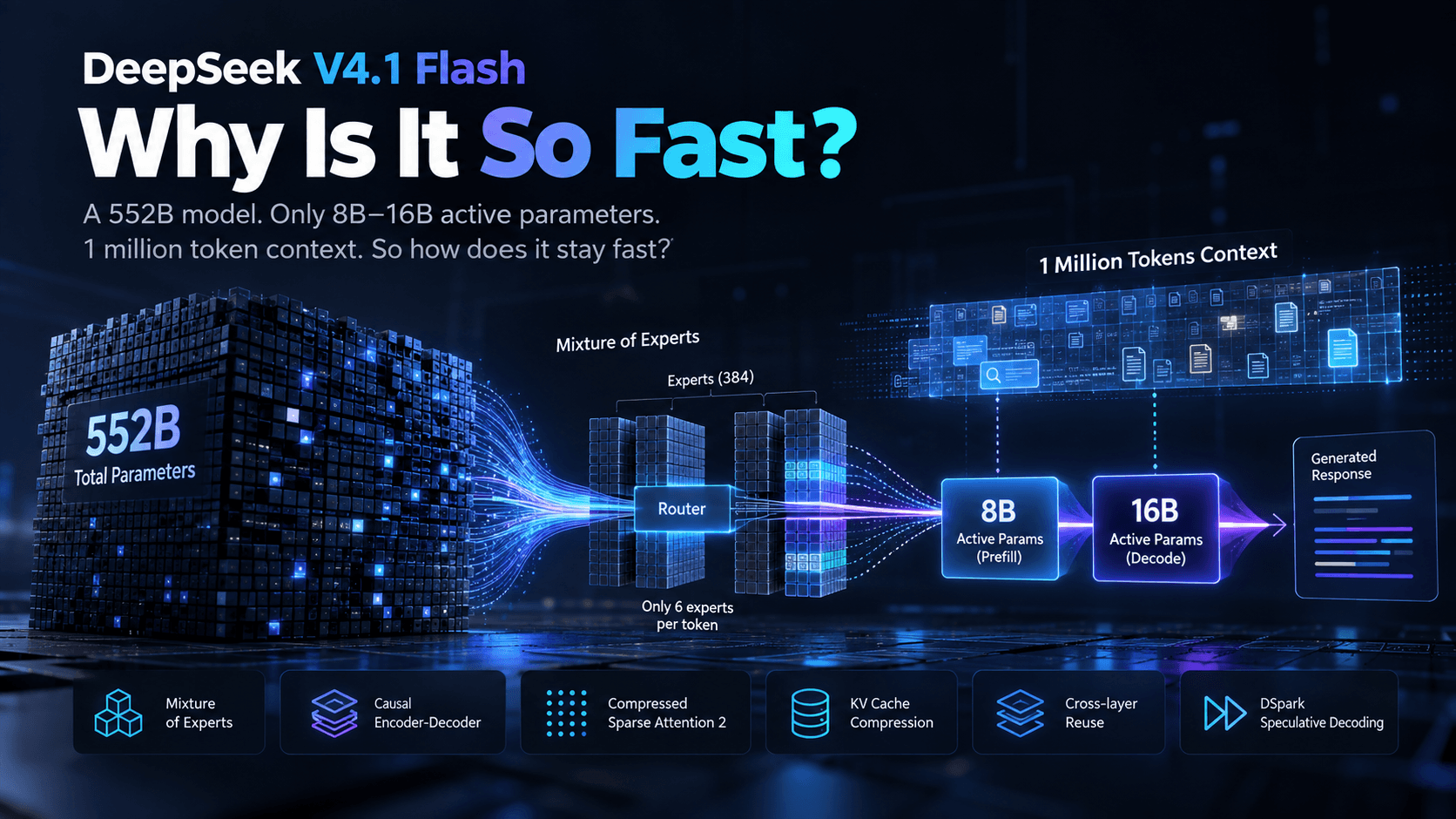
Why Is DeepSeek V4.1 Flash So Fast?
A 552-billion-parameter model should be slow. So why isn’t it?
Building AI agents that reason, use tools, and execute real-world workflows. Notes, experiments and deep dives into AI systems, models, agents, infrastructure and emerging technology — by Yogesh Sen.
From questions to real understanding.
A 552-billion-parameter model should be slow. So why isn’t it?
Reader favourites
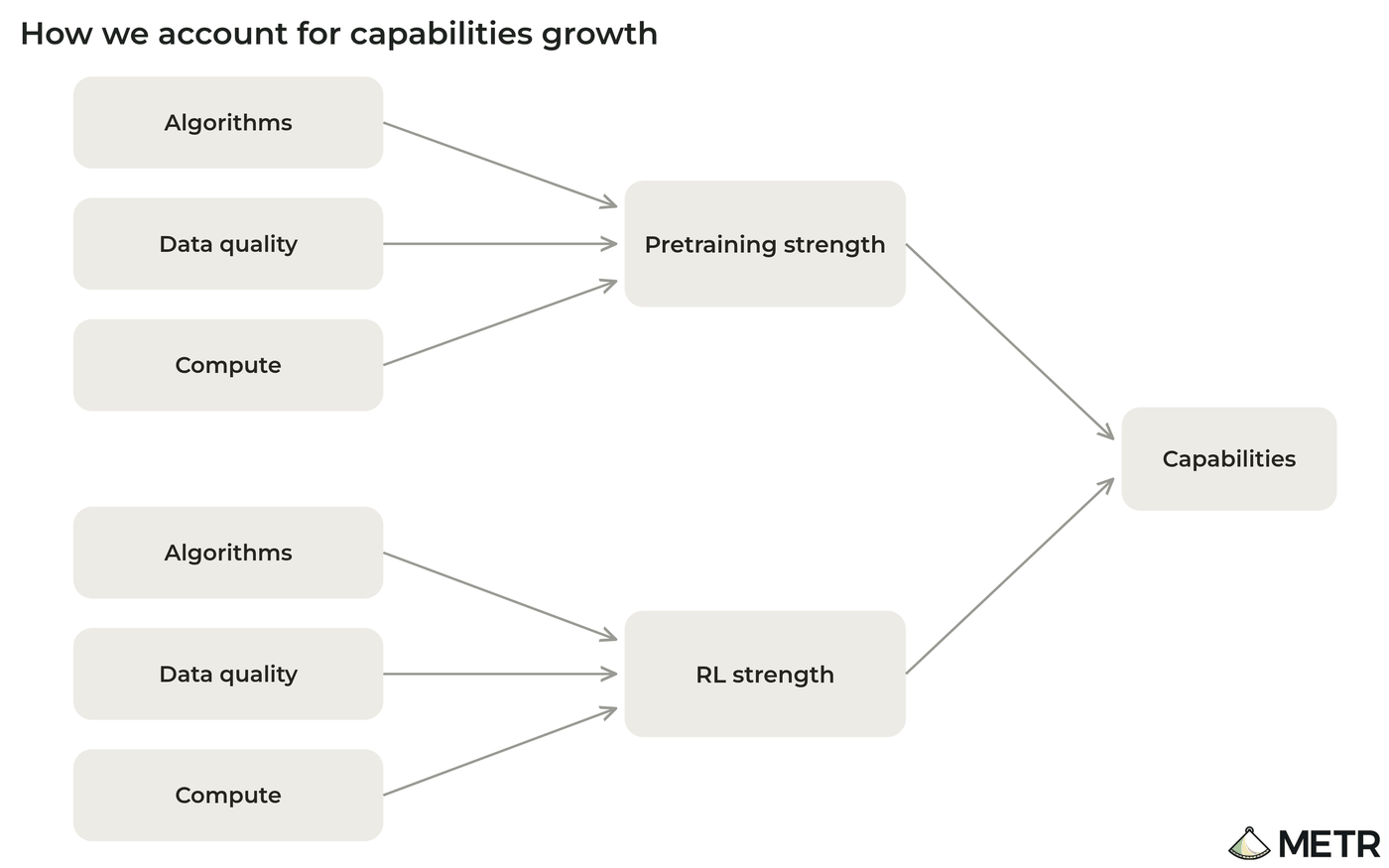
METR's November 5 assessment finds faster capability progress at Anthropic. Explore what that measures, why attribution remains uncertain, and how engineers can evaluate their own learning cycle.
Cola2's new checkpoint generates compressed latents before realizing text. Explore its architecture, feedback loop and why fewer training tokens don't establish a from-scratch efficiency gain.
Sarvam Prism returns decisions without generating text. Its B200 latency, probability fields and calibration tests reveal what engineers need to check before automating a workflow.
FlashProve raises a practical question for hosted AI: can you verify which computation produced an output? A look at commitments, reported proving costs, integer-model limits and the gap between a protocol theorem and deployed software.
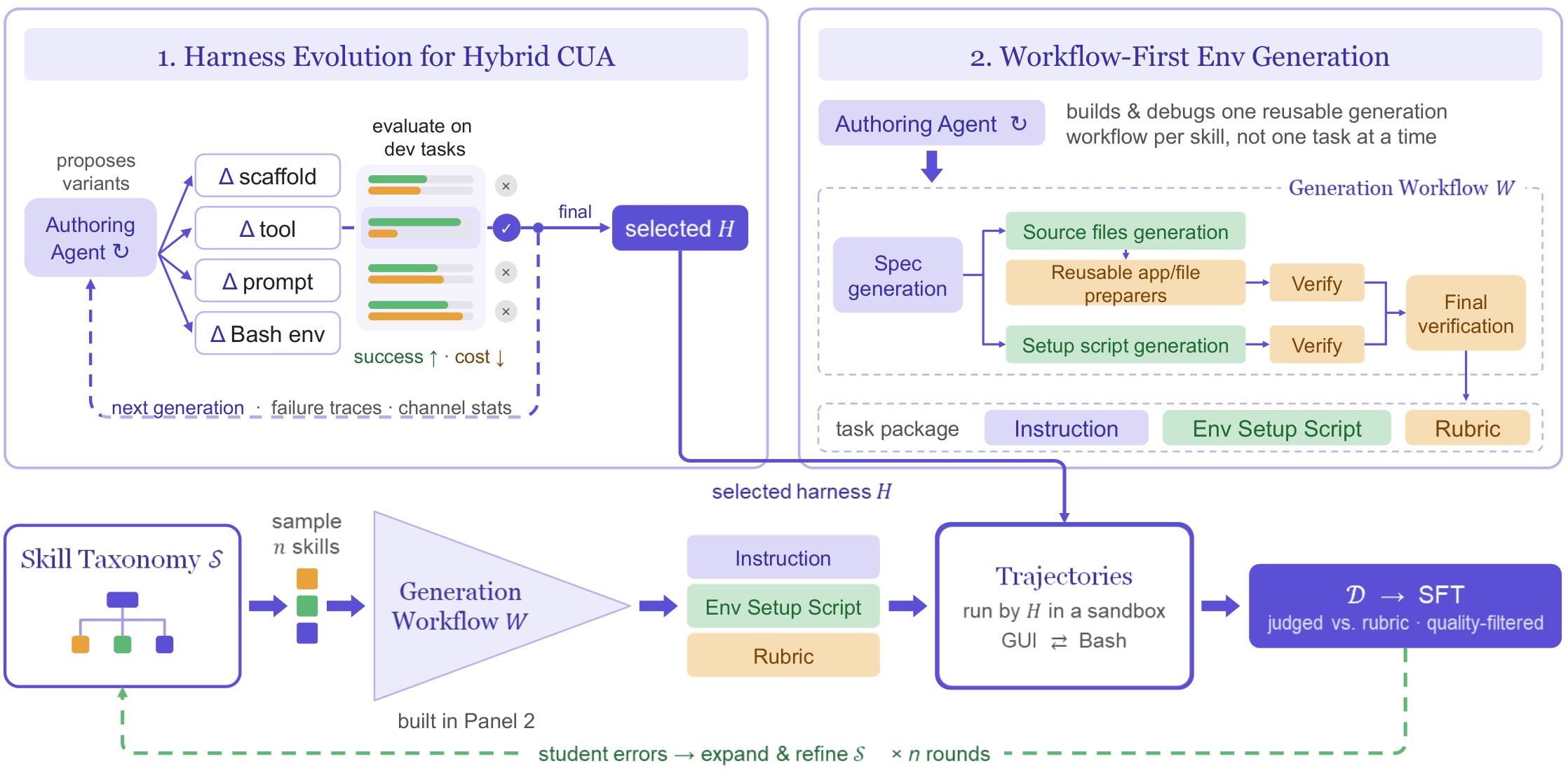
Mage-VL-Cowork combines screenshots and terminal execution in one small model. A practical look at its training recipe, official demo, reported OSWorld results and the state-management problem behind hybrid desktop agents.
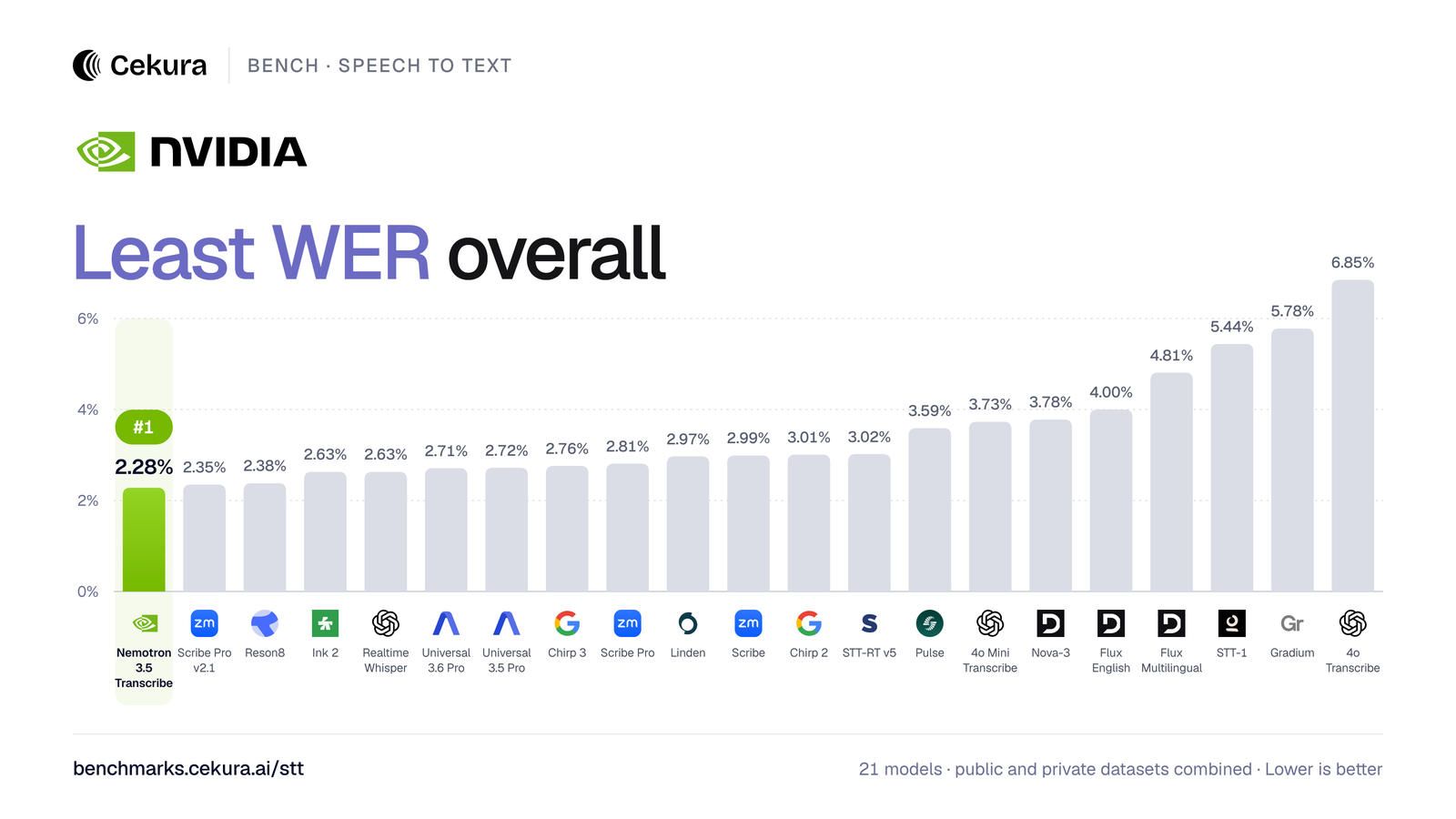
NVIDIA's new transcription model can follow requests about wording, formatting and speaker labels. What do its results—and two outside evaluations—tell us about accuracy, faithful cleanup and the limits of word error rate?
A practical look at Genie 4's interactive worlds, original comparison recordings, current limits and the tests needed before trusting a generated simulation.
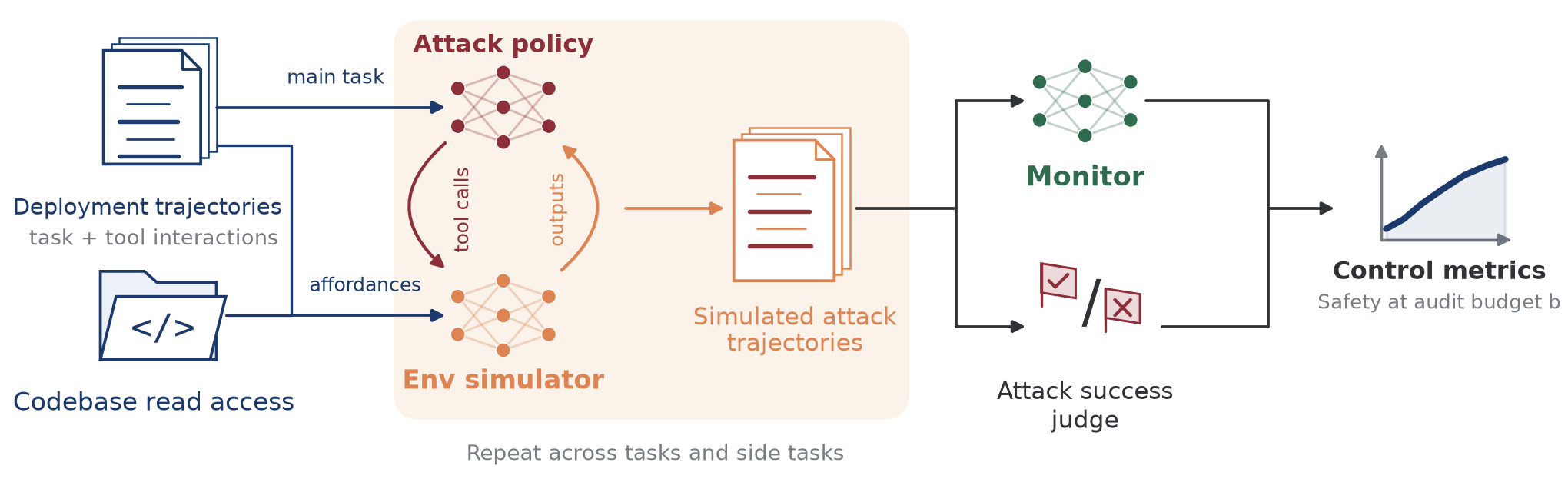
A practical look at Redwood's simulated control evaluations: how they test AI-agent safeguards, what the LinuxArena comparison shows, and why simulation still needs validation.